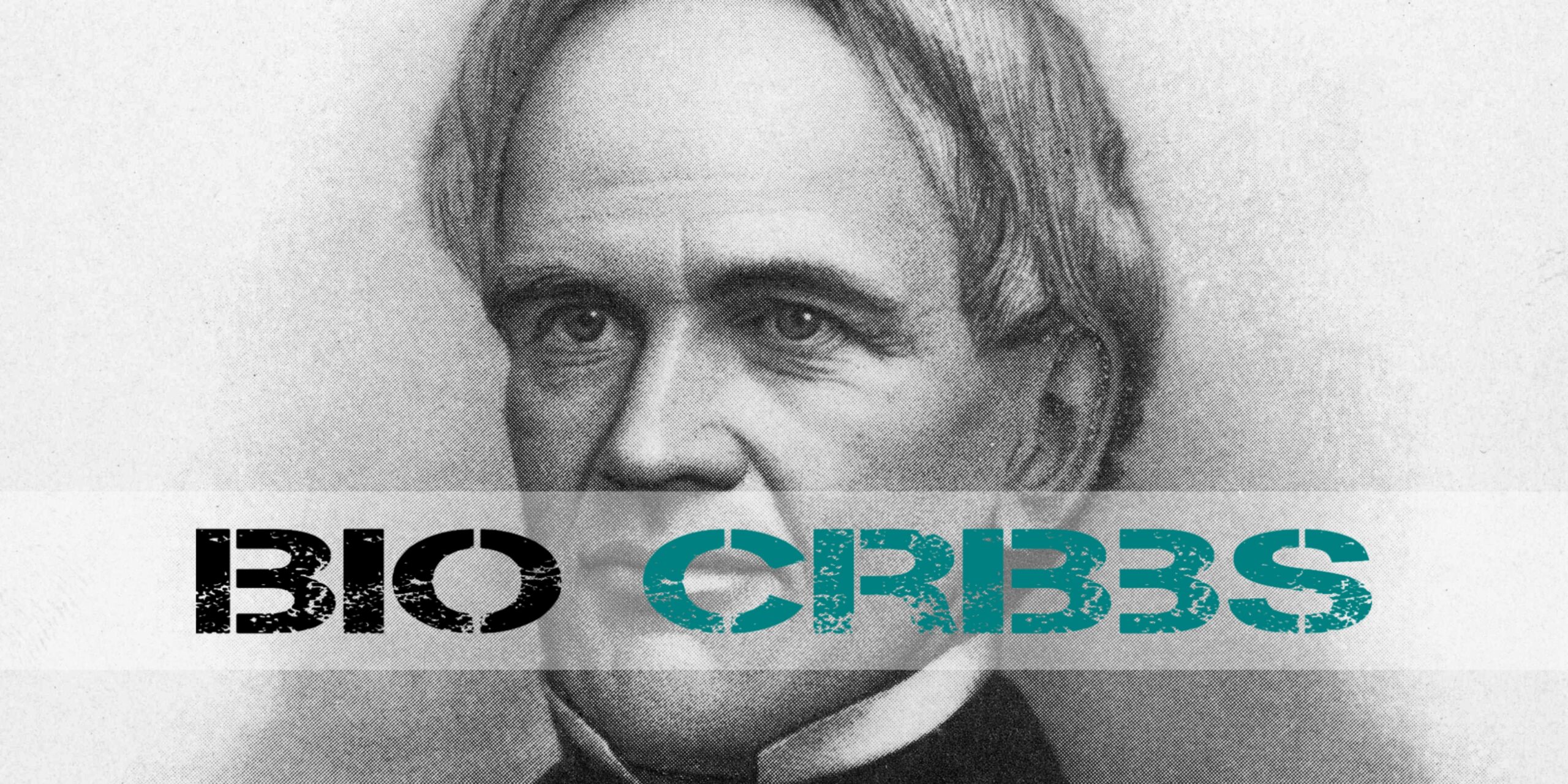
Horace Mann was born on May 4, 1796, in Franklin, Massachusetts. He grew up in a poor family and faced many hardships. Despite this, he worked hard and educated himself using books from the local library. His early struggles shaped his belief that education could improve lives.
Also Read: Artemisia Gentileschi Biography: The Complete Account, Verified Records & Legacy
He studied at Brown University and graduated in 1819. Later, he attended Litchfield Law School and became a lawyer. Mann began his career in law but soon entered politics. He served in the Massachusetts House of Representatives and later in the State Senate. During this time, he pushed for social reforms, including better treatment for the mentally ill and the abolition of slavery.
In 1837, Mann became the first Secretary of the Massachusetts Board of Education. This role changed his life and the future of American schools. He believed that every child should have access to free education. He also thought schools should be non-religious and focus on moral values and civic duty.
Mann introduced many changes. He supported the creation of public schools funded by taxes. He helped start normal schools to train teachers. He wrote annual reports that explained his ideas and encouraged others to support education reform. His work influenced school systems across the country.
In 1848, Mann was elected to the U.S. House of Representatives. He continued to fight for education and human rights. In 1853, he became president of Antioch College in Ohio. There, he promoted equal education for men and women and welcomed students of all races. His time at Antioch showed his deep commitment to fairness and learning.
Horace Mann died on August 2, 1859, in Yellow Springs, Ohio. He was 63 years old. His ideas lived on and shaped the public school system in the United States. Schools, colleges, and awards have been named in his honor.
Mann believed that education was the key to a better society. He once said, “Be ashamed to die until you have won some victory for humanity.” His life and work proved that one person’s vision can change a nation.
Horace Mann Early Life and Background
Horace Mann was born on May 4, 1796, in Franklin, Massachusetts. His upbringing in a modest, rural setting greatly informed his later belief that free education was the key to unlocking human potential. His family was poor, and his early life was marked by relentless labor on the farm. This meant his formal education was severely limited, totaling only a few weeks a year in the dilapidated, often harsh district schoolhouse. Mann was deeply disturbed by the lack of quality and accessibility in the existing school system. This personal experience fueled his later quest to transform the public school system. Despite these obstacles, Mann possessed an intense intellectual curiosity. He developed a rigorous habit of self-education, largely through borrowing books from a local library—a crucial entity established by Benjamin Franklin. His remarkable effort to overcome his educational deficits led him to enroll at Brown University when he was twenty years old. He graduated in just three years, completing his studies in 1819 as valedictorian. He then pursued legal training at the Litchfield Law School in Connecticut. This background of limited access, self-driven learning, and academic excellence molded him into the powerful educational reformer who would argue that equal education was a fundamental civil right.
Horace Mann Legal and Political Career
Mann began his professional life as a lawyer, practicing in Dedham, Massachusetts, and quickly establishing a reputation for integrity and skill. His strong moral compass and persuasive ability soon drew him into public service. He was elected to the Massachusetts House of Representatives in 1827 and later served in the State Senate. His political career was marked by a commitment to social justice, aligning generally with the Whig Party’s progressive ideals. He championed crucial social reforms beyond education. Mann passionately advocated for social reforms such as improved treatment for the mentally ill, leading the effort to establish the Worcester State Hospital, the first state-supported psychiatric facility in the U.S. He also took a strong public stand on the abolition of slavery. Mann saw public service as a means to improve society for all citizens, an approach that would eventually lead him to the role where he could implement his most profound change. His political experience taught him how to legislate and fund large-scale social programs, skills that would be indispensable when he began the ambitious work of restructuring the public school system.
Horace Mann Educational Reform Movement
The trajectory of Mann’s life changed dramatically when he transitioned from politics to the field of education. In 1837, he was appointed the First Secretary of the Massachusetts Board of Education. This new role offered him the platform he needed to become the architect of modern schooling. He immediately dedicated himself to the cause, ultimately resigning his lucrative Senate seat to focus entirely on educational change. Mann traveled extensively across Massachusetts, inspecting the condition of schools and teachers. The shocking deficiencies he documented became the foundation for his famous Annual Reports, which were published and widely distributed to reformers and policymakers across the nation and Europe. These reports forcefully promoted universal, non-sectarian education. His reforms were practical and structural: he introduced the concept of state-funded, free public schooling funded by taxes; he standardized curriculum; and most revolutionary, he pioneered normal schools for teacher training. The establishment of the first normal school in Lexington, Massachusetts, fundamentally professionalized teaching. Mann’s movement insisted that improving society started with the systematic improvement of its schools.
Also Read: Mithali Raj Biography: The Complete Account, Verified Records & Legacy
Horace Mann Philosophy and Vision
Horace Mann’s philosophy was simple yet radical for its time: the purpose of education was to create a harmonious, republican society by giving every child an equal start. He famously declared, “Education is the great equalizer of the conditions of men,” a quote that encapsulates his core belief that education was a tool for social and economic mobility. Mann passionately believed that education must be free, universal, and non-religious. He argued that while schools should teach morality, they must not promote any specific Christian sect, ensuring the system remained welcoming to all citizens regardless of their family’s faith. This secular approach to schooling laid the foundation for modern civic education, focused on developing responsible citizens capable of participating in a democracy. Mann promoted the idea of the common school, arguing that bringing children from all socioeconomic backgrounds together in one institution was essential for social cohesion and the nation’s future stability. His entire vision centered on transforming schools from dilapidated, chaotic rooms into orderly, uplifting institutions capable of moral and intellectual instruction.
Horace Mann Major Achievements
Mann’s six major achievements during his tenure revolutionized American pedagogy and policy. Firstly, as Secretary of the Massachusetts Board of Education, he established the foundation for modern public school systems by creating a centralized state structure. Secondly, he successfully championed state funding through taxation, cementing the idea of free education as a public responsibility. Thirdly, he created the normal schools, which were the first formal institutions for teacher training, immediately raising the quality and professionalism of educators. His influence extended beyond Massachusetts, directly shaping education laws and teacher standards nationwide through the persuasive power of his Annual Reports. After retiring from his Massachusetts post, Mann served a term in the U.S. House of Representatives. However, a final, capstone achievement was accepting the presidency of Antioch College in Yellow Springs, Ohio, where he served from 1853 to 1859. At Antioch, he actively advocated for coeducation and racial inclusion, immediately welcoming women and students of color—a progressive stance far ahead of most U.S. colleges at the time—cementing his educational reformer status.
Horace Mann Later Life and Death
Following his political and educational reform work, Horace Mann poured his remaining energy into his presidential role at Antioch College in Yellow Springs, Ohio. He viewed this final academic post as an opportunity to implement his vision of universal education at the collegiate level. Despite facing continuous financial and institutional challenges at the struggling new college, he remained dedicated to its progressive mission of coeducation and inclusion. During this period, he continued writing and lecturing on education, solidifying his philosophies for posterity. His passionate commitment to his students and ideals never waned. His health, however, deteriorated under the strain of his relentless work ethic. Mann died shortly after delivering his final commencement address to the graduating class of Antioch College. His powerful last words to the class summarized his life’s moral imperative: “Be ashamed to die until you have won some victory for humanity.” Horace Mann died on August 2, 1859, in Yellow Springs, Ohio. He was initially buried there but was later interred alongside his second wife, Mary Peabody Mann, in Providence, Rhode Island.
Horace Mann Legacy and Impact
Horace Mann is rightfully remembered as the “Father of the American Public School System” for his profound legacy and impact. His reforms, which included state teacher training and tax-funded free education, established the model that spread throughout the United States. His unwavering belief that education served as the “great equalizer” shaped U.S. education policy for generations. The Massachusetts Board of Education structure he pioneered became the blueprint for state departments across the country. Today, his name remains synonymous with public instruction: countless schools, universities, and awards named after him honor his contributions. Antioch College continues to embody his progressive vision, standing as a lasting monument to his ideals of coeducation and inclusion. His writings, particularly the Annual Reports, remain foundational texts and are continually studied in education and history curricula by scholars and aspiring educational reformers. Mann’s work effectively democratized knowledge, transforming education from a privilege reserved for the wealthy into a fundamental, accessible right for every American child.
Horace Mann Age (The Verified Birth Year and Lifetime)
Horace Mann Age was 63 years. He was born on May 4, 1796.
Horace Mann Nationality (American Origin and Public Service)
Horace Mann was American. He was born in Massachusetts and spent his life working to improve education across the United States.
Horace Mann Cause of Death (Official Records and Final Illness)
Horace Mann died of typhoid fever on August 2, 1859, in Yellow Springs, Ohio.
He was 63 years old at the time of his death. Mann had been serving as the president of Antioch College, where he worked tirelessly to promote equal education for all. Despite his declining health, he remained active in his duties until the end. Typhoid fever, a bacterial infection common in the 19th century due to poor sanitation, ultimately claimed his life.
Also Read: Pastor Nkechi Ene Biography: The Complete Account, Verified Records & Legacy
His passing marked the end of a remarkable career dedicated to educational reform, but his ideas and influence continued to shape American public schooling long after his death.
Horace Mann Profile Table (Quick Facts and Data Overview)
| Profile | Information |
| Horace Mann career | Educational Reformer; Lawyer; Politician (MA State Senate, U.S. House); First Secretary of the Massachusetts Board of Education; President of Antioch College |
| Horace Mann real name | Horace Mann |
| Horace Mann age | 63 (Died August 2, 1859) |
| Horace Mann date of birth | May 4, 1796 |
| Horace Mann net worth | Not known (He lived modestly, but his financial legacy is primarily tied to the Horace Mann Educators Corporation which was founded later and is named in his honor.) |
| Horace Mann wife / spouse | 1. Charlotte Messer Mann (m. 1830, d. 1832) 2. Mary Peabody Mann (m. 1843) |
| Horace Mann children | Horace Mann Jr., George Combe Mann, Benjamin Pickman Mann (3 sons) |
| Horace Mann parents | Father: Thomas Mann; Mother: Rebecca Stanley Mann |
| Horace Mann religion | Raised Congregationalist; became a Unitarian, advocating for non-sectarian moral education in public schools. |
| Horace Mann state of origin | Massachusetts (Born in Franklin, MA) |
| Horace Mann alma mater | Brown University (Valedictorian, 1819); Litchfield Law School |
| Horace Mann education | Largely self-taught until age 20; formal studies at Brown University and Litchfield Law School |
| Horace Mann nationality | American |
Leave a Reply